
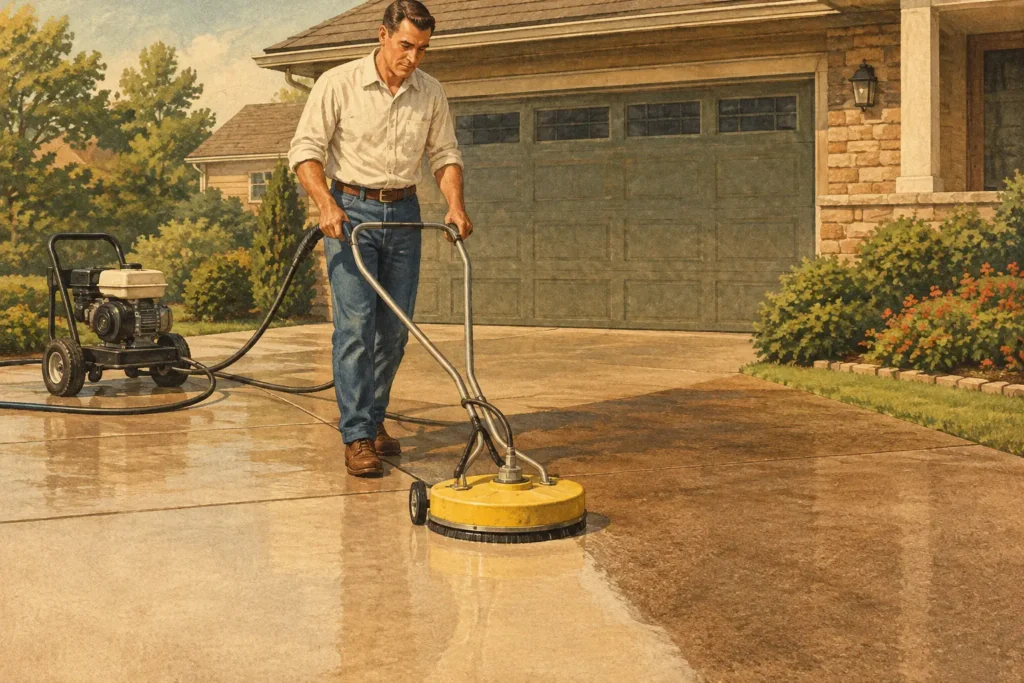
A driveway can look tired long before it is actually worn out. Tyre marks, green algae, oil drips and ingrained dirt quickly spoil the approach to a home or business, particularly through damp Buckinghamshire weather. The right driveway cleaning methods can restore a cleaner, safer surface, but the wrong approach can loosen blocks, strip jointing sand or damage softer tarmac.
The best method depends on what the driveway is made from, the type of staining present and its overall condition. A strong pressure washer is not always the answer. Good results come from matching the cleaning process to the surface, allowing enough treatment time and taking care around drainage, walls and planted areas.
Start with the driveway surface
Before choosing a cleaner or machine, identify the driveway material. Concrete is hard-wearing but porous, which means oil and rust can soak below the surface. Block paving is durable too, although high pressure can remove the kiln-dried sand that locks the blocks together. Tarmac needs the gentlest approach because excessive pressure, harsh solvents and very hot water can soften or break up the binding material.
Resin-bound surfaces have their own requirements. They should usually be cleaned with low pressure and a suitable mild detergent, rather than aggressive chemicals or a narrow jet. Natural stone varies considerably: sandstone, limestone and some reconstituted slabs may be marked or etched by acidic products.
If the surface is cracked, loose or already crumbling, cleaning will not fix the underlying problem. In that situation, gentle cleaning can improve its appearance, but any repairs should be dealt with before a deeper clean.
Pressure washing for hard surfaces
Pressure washing is one of the most effective driveway cleaning methods for concrete and sound block paving. It removes surface mud, algae, moss, traffic film and many general marks far more quickly than scrubbing by hand. A professional surface cleaner attachment is often preferable to a basic lance because it delivers an even finish and greatly reduces splashing.
The key is controlled pressure. A concentrated jet held too close can leave visible lines in concrete, chip pointing, disturb paving blocks and force water where it should not go. For block paving, cleaning should work across the surface in steady passes rather than attacking individual stains at close range.
Once block paving has dried fully, fresh kiln-dried sand may need to be brushed into the joints. This is not an optional finishing touch. Properly filled joints help keep the blocks stable and reduce the space available for weeds to establish.
Pressure washing is less suitable for tired tarmac, loose aggregate, damaged concrete or delicate resin finishes. It can also be the wrong choice where the main issue is oil, which may simply spread into a larger patch without suitable pre-treatment.
When pressure washing works best
This method is most useful for general seasonal grime and biological growth across a large area. It is particularly effective where a driveway has become slippery in shaded spots or beneath overhanging trees. It is less effective on deep-set oil, rust or paint without a targeted treatment beforehand.
Soft washing for algae, moss and black spots
Soft washing uses a low-pressure application of an appropriate cleaning solution, followed by a controlled rinse where needed. It is a sensible option for surfaces that need a gentler touch, including tarmac, resin-bound driveways and some natural stone.
Rather than relying on force, the solution treats algae, lichen and organic staining at the source. This can give longer-lasting results than washing alone, as the visible growth has not simply been blasted off the top. The exact product and dilution matter. A treatment suitable for paving may not be suitable for every stone, and it must be applied carefully to avoid harm to lawns, borders and nearby materials.
Soft washing also suits driveways where runoff needs close attention. Responsible cleaning means managing wastewater and avoiding the unnecessary movement of chemicals, silt and debris into surface water drains.
Treating oil, rust and tyre marks
Stubborn marks need a more specific approach than an all-purpose wash. For a recent oil spill, absorbent material should be applied as soon as possible, then swept up before a suitable degreaser is worked into the area. Older oil stains may lift significantly but cannot always be removed completely, especially from porous concrete or unsealed block paving.
Rust stains are another common frustration, often caused by metal furniture, leaking vehicles or fertiliser containing iron. They need a product formulated for rust removal and should always be tested on an inconspicuous area first. Strong acidic cleaners can cause permanent colour changes or etching, particularly on natural stone and decorative concrete.
Tyre marks usually respond well to a detergent, agitation with a stiff brush and controlled pressure washing. For heavily used commercial forecourts or staff parking areas, regular cleaning is often more cost-effective than allowing contaminants to build up until a more intensive visit is needed.
Manual cleaning still has a place
Not every driveway needs machinery. A stiff brush, suitable detergent and a garden hose can deal with light dirt, small patches of algae and fresh marks without putting the surface under unnecessary stress. This is also useful around edges, drainage channels and areas where a pressure washer could throw dirt onto walls, doors or vehicles.
Manual cleaning takes longer, but it gives better control on sensitive surfaces. It is a sensible choice for a small resin path, newly laid paving that has not fully settled, or an isolated spill. The trade-off is simple: it requires more effort and is unlikely to shift deep biological staining across a large driveway.
Prepare properly before any driveway clean
A little preparation avoids many of the problems associated with cleaning. Move cars, bins, pots and outdoor furniture, then sweep away loose leaves, grit and stones. This prevents debris from being driven into the surface or blocking gullies during rinsing.
Check the forecast as well. A dry, mild day helps treatments work as intended and gives paving time to dry afterwards. On block paving, avoid applying jointing sand if rain is expected. On a shared drive or commercial site, plan access so residents, visitors and deliveries are not walking across wet or slippery areas.
Take particular care with electricity. Outdoor sockets, extension leads and lighting should be protected from water. Suitable footwear, eye protection and stable footing are essential when using cleaning equipment. A driveway may look level, but wet algae and overspray can make it unexpectedly slippery.
Common mistakes that make driveways look worse
The most common mistake is using maximum pressure for every job. More force does not automatically mean a better clean. It can create striping, expose aggregate in concrete and remove material from joints.
Another is using household bleach or strong chemicals without understanding the surface or controlling runoff. These products can damage nearby plants, discolour paving and leave an uneven finish. Mixing cleaning products is also unsafe, particularly where bleach-based products are involved.
Finally, do not seal a driveway straight after washing. The surface needs to be completely dry, and any re-sanding or repairs should be completed first. Sealer can be worthwhile for some block paving and concrete surfaces, helping to reduce staining and make future cleaning easier, but it is not right for every material. A poorly chosen sealer can trap moisture, alter appearance or become patchy as it wears.
When professional cleaning is the safer option
A professional service is useful when the driveway is large, heavily stained, close to delicate landscaping or made from a surface that you are unsure how to treat. It is also a practical option for landlords and commercial property managers who need reliable scheduling without disrupting tenants, customers or staff.
Professional equipment is only part of the value. The important difference is knowing when to use pressure, low-pressure treatment, specialist stain removal or a combination of methods. At Spotless Cleans, safe working practices, appropriate equipment and a clear assessment of the surface come before starting work.
For homes, a clean driveway improves kerb appeal and reduces slippery growth near the entrance. For shops, offices, schools and industrial sites, it helps maintain a tidy, professional first impression while making external areas easier to manage. Regular light maintenance is usually kinder to the surface, and easier on the budget, than waiting until staining and moss have taken hold.
A driveway does not need to look brand new to look well cared for. Choose a method that respects the material, deal with stains before they settle, and keep on top of moss and algae before they become a safety issue.